Refinancing Your Car Loan in BC: When and How to Lower Your Payments
If you financed your vehicle a year or two ago — especially with less-than-perfect credit at the time, or if rates have shifted since — there’s a good chance you’re paying more than you need to. Refinancing is one of the most overlooked ways BC drivers can lower their payment or pay off their vehicle faster.
What Does It Mean to Refinance?
Refinancing means replacing your current auto loan with a new one, ideally at a better rate, different term, or both. The new lender pays off your existing balance, and you begin payments under the new agreement.
When Refinancing Makes Sense
- Your credit score has improved since your original loan
- Interest rates have dropped since you financed
- You want to change your loan term — longer for lower payments, shorter to pay off faster and save interest
- You’re struggling with high payments from a rushed original approval
When It Might Not Be Worth It
You’re near the end of your term, your vehicle has depreciated significantly (you’re upside down), there’s a prepayment penalty on your existing loan, or the rate improvement is marginal.
How Refinancing Works, Step by Step
- Check your current loan details (rate, balance, term, prepayment penalties)
- Check your credit report to know your current standing
- Get quotes from multiple lenders
- Confirm the vehicle still qualifies (age/mileage limits, possible appraisal)
- Payoff and transition — the new lender pays off your existing loan directly
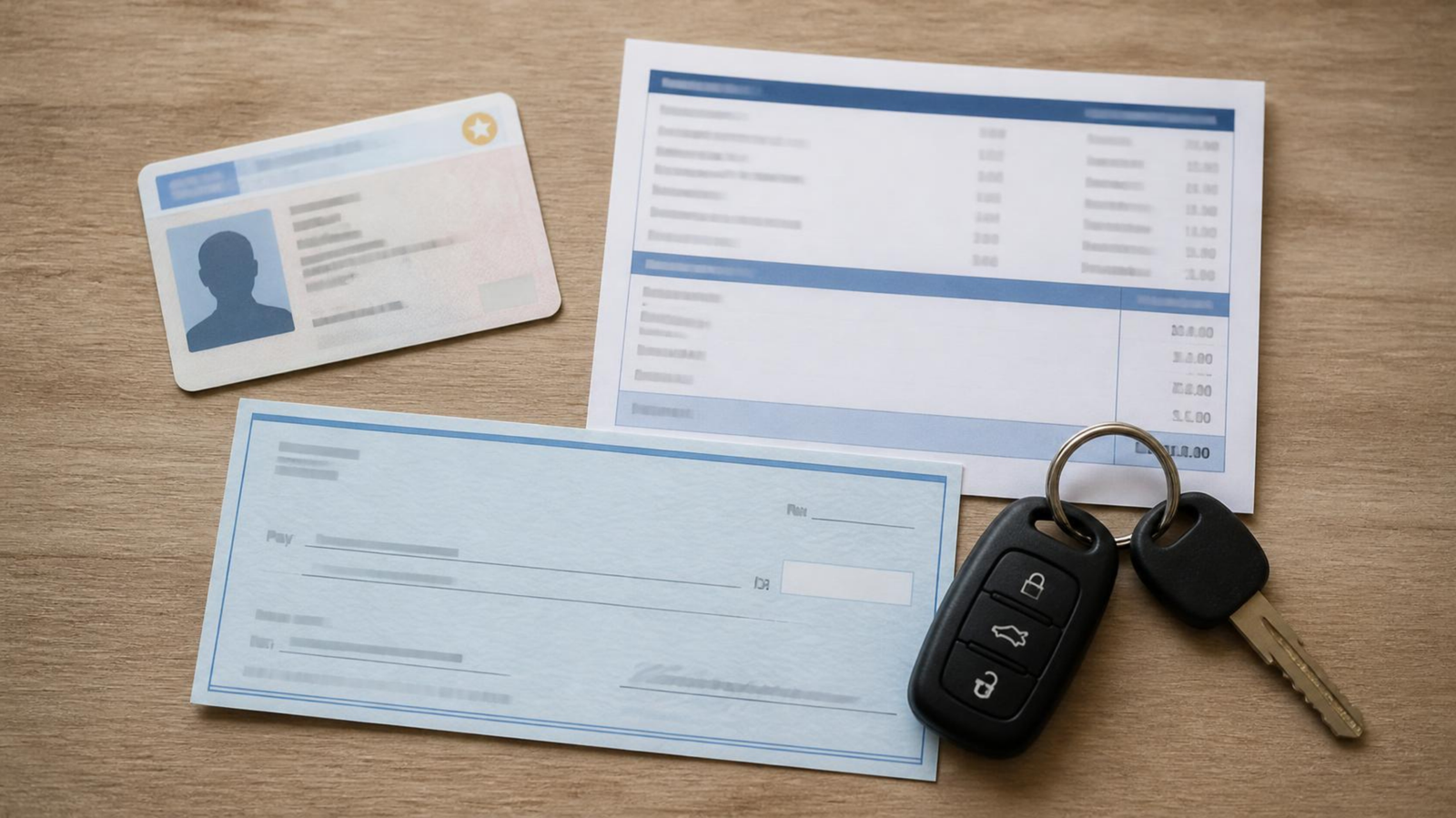
Documents You’ll Likely Need: current loan statement, proof of income, vehicle registration and insurance, ID, and VIN.
Common Mistakes
Refinancing without checking prepayment penalties, extending the term just to lower payment without considering total interest, applying to too many lenders over an extended period, and assuming your current lender is the only option.
FAQ
Does refinancing hurt my credit score? A small, temporary dip from the credit inquiry, typically offset by consistent payments over time.
Can I refinance if I’m current on payments? Yes — many people refinance simply because credit or rates improved.
How long does it take? Typically one to two weeks.
Is there a minimum wait time? No universal rule, but many lenders prefer 6–12 months of payment history first.
Can I refinance a privately purchased vehicle’s loan? Generally yes, if it meets the new lender’s age/mileage requirements.
Bottom Line: Refinancing isn’t something most drivers think to revisit, but for many — especially those who financed during a period of limited credit — it can mean real savings. Check the math specific to your situation.
CTA: Contact Car Finance BC for a free review of your current loan.